
A mask is a piece of fabric. A mask mandate is a piece of architecture. The first protects respiratory droplets within a debated radius; the second redesigns the social field itself - who can enter, who can speak, who counts as a citizen in good standing.
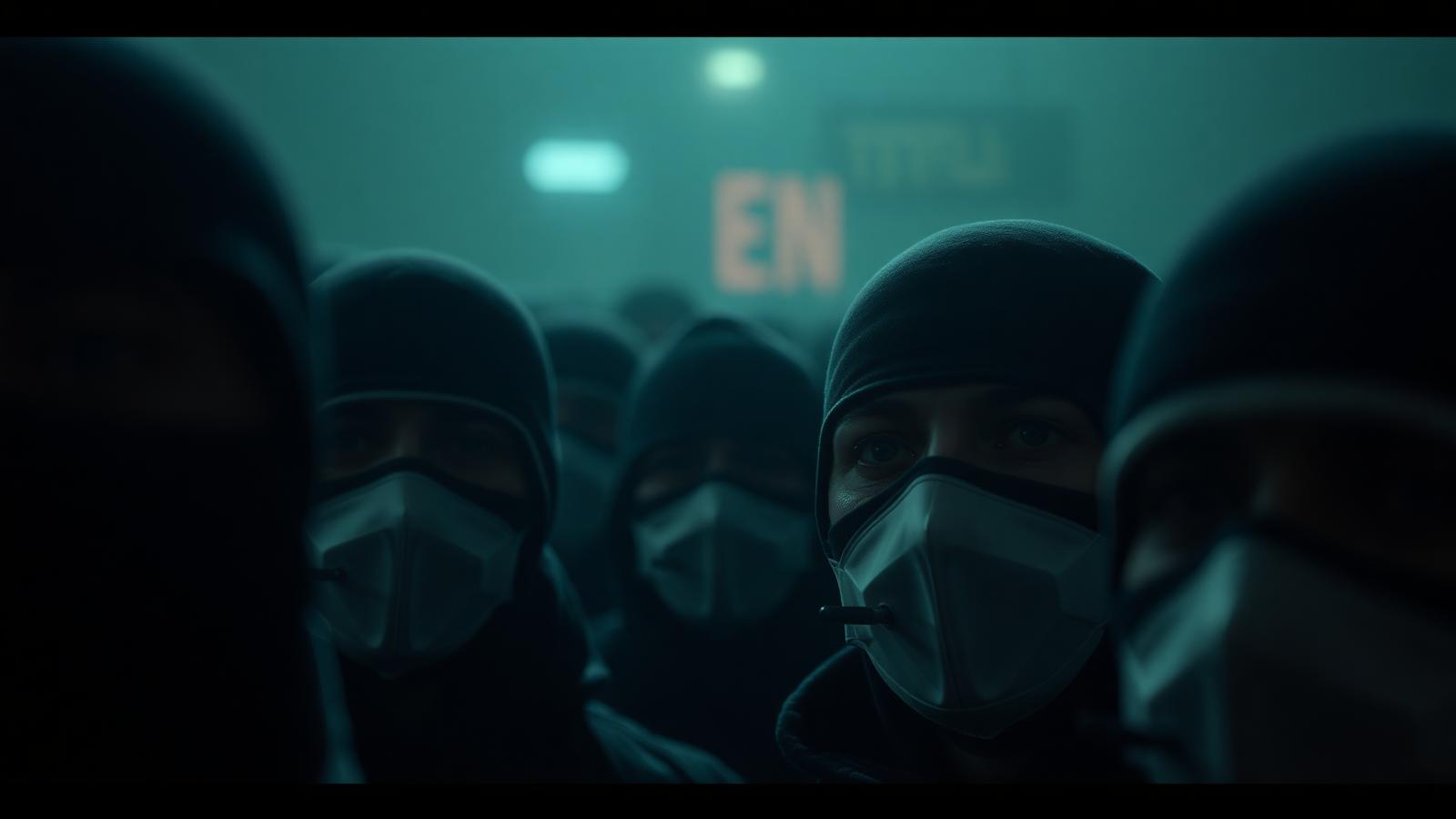
What made the mask unique was its visibility. Unlike a vote, a tax return, or a database record, the mask was readable at twenty paces. It transformed compliance from a private act into a public uniform - and non-compliance into an immediate moral category.
"When obedience becomes wearable, dissent becomes a face."
Studies of effectiveness were secondary to the sociology. The mask did not need to work on a virus to work on a population. It worked the moment two people on a street corner looked at each other and silently sorted one another into camps.
§ The legacy
Long after mandates lifted, the muscle memory remained: scan the room, assess the signal, decide who is safe. The mask was not just a covering. It was a rehearsal - for every visible badge of belonging that would follow.
Once we agreed to wear our compliance, we agreed to ask permission for everything else.