
Freedom, in the older sense, was the default. It did not need to be requested. The state, in turn, needed a reason - a warrant, a statute, a hearing - to remove it. Somewhere between March 2020 and the second winter, that arrangement was quietly inverted.
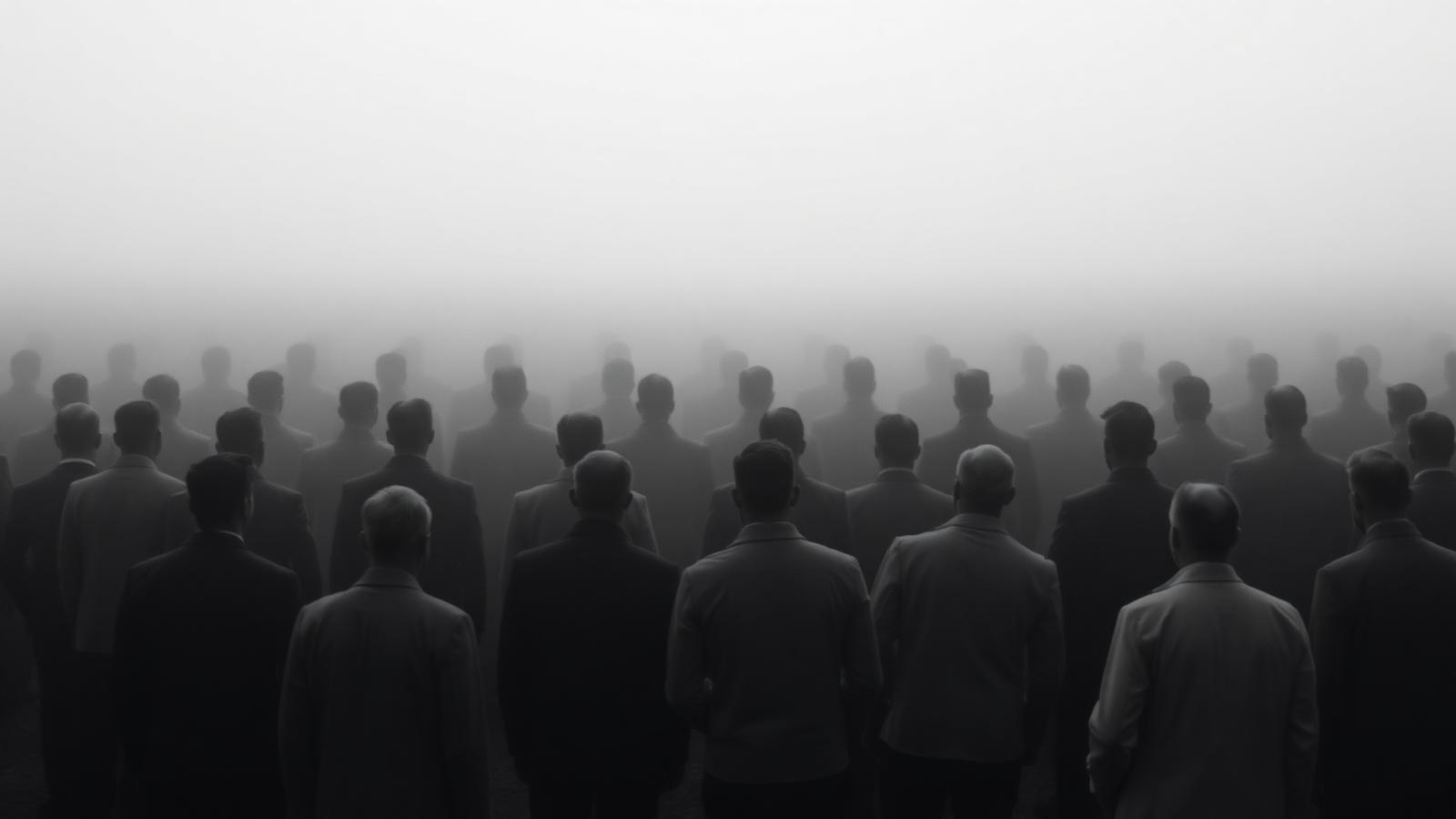
Movement required justification. Gathering required exemption. Worship required a form. The verbs of ordinary life - meet, travel, mourn, marry - became applications, each routed through a portal that could grant or deny.
"A right that must be applied for is no longer a right. It is a privilege awaiting renewal."
The inversion was rarely announced. It was administered. Each new layer was framed as temporary, proportionate, and reviewable. None of those adjectives were enforceable in the long run.
§ What was lost
What was lost was not a list of activities. It was a posture - the citizen as the source of authority, the state as the borrower. When the posture flips, every subsequent reform begins from the wrong starting line.
And once permission was the default, every move you made left a trail.